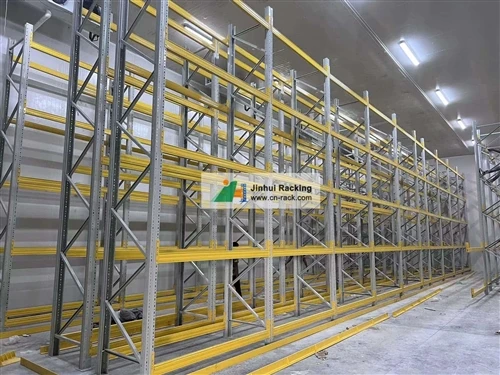

If you've ever stood in a warehouse staring at stacks of pallets, counting inventory in the wrong order, or fighting to grab the right load without knocking over three others, you know how much bad storage kills your workflow. I've been in the pallet racking game for over 10 years now, talking to warehouse managers, inventory leads, and small business owners who swear their biggest headache isn't sales or shipping-it's keeping track of stock. That's why pallet flow racking stands out as one of the most game-changing upgrades I've seen, and today I'm breaking down exactly how it fixes the inventory mess most teams deal with daily.
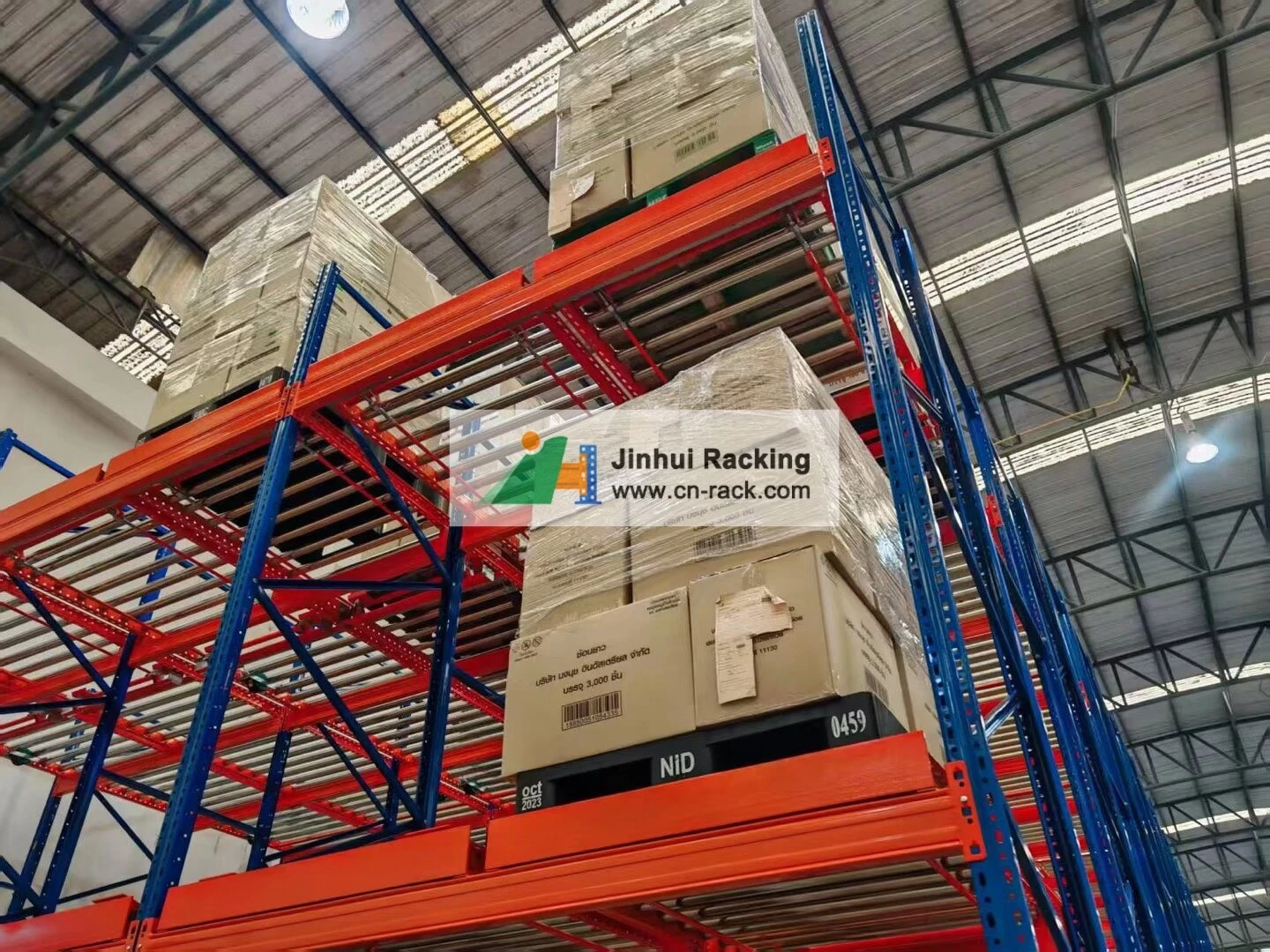
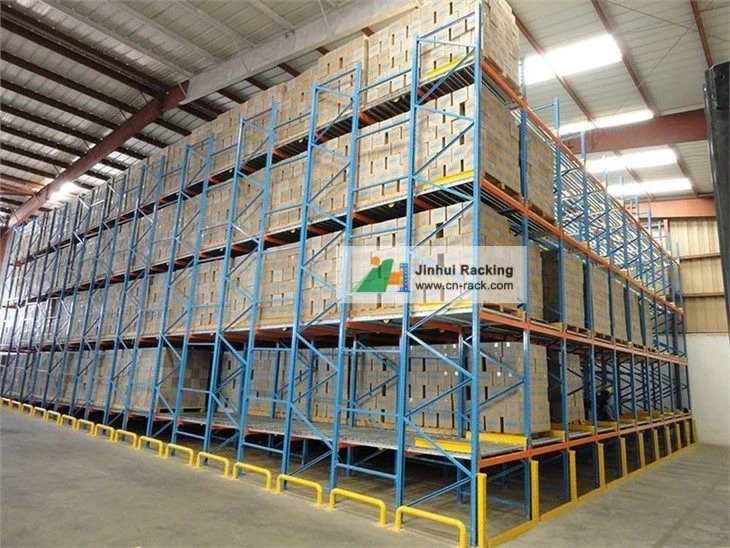
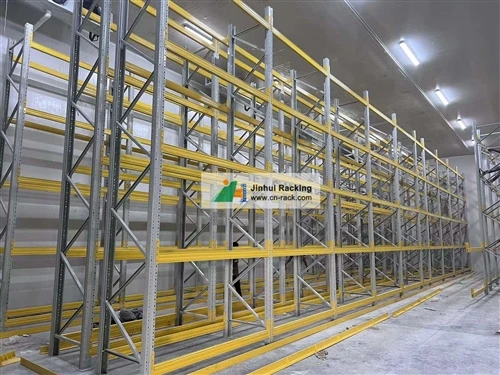
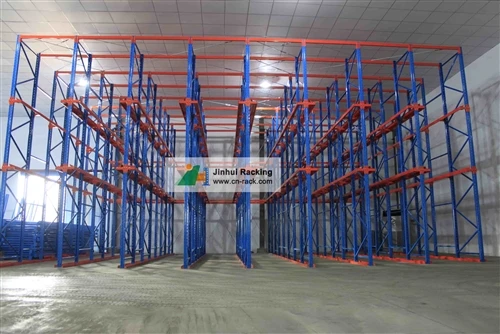
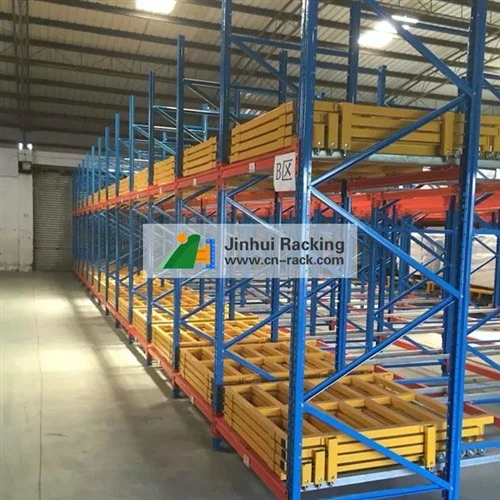
First, let's cut through the jargon. Pallet flow racking isn't that complicated, honestly. It's a system where pallets sit on inclined rollers instead of a flat shelf. The "flow" part means when you load a pallet at the back of the rack, gravity rolls it forward to the next available spot at the front. That's it-simple, but genius for inventory. Most warehouses use either static pallet racks, where you load and unload from the same side, or basic shelf systems that require a lot of manual moving to access stock. I've seen too many teams waste hours every week just moving pallets around to get to the one they need, and that time adds up fast.
The biggest win for inventory management here is the First-In, First-Out (FIFO) rotation, which is non-negotiable for any business dealing with perishables, goods with expiration dates, or seasonal stock. Think about it: if you use static racks, it's way too easy to keep adding new pallets in front of old ones, leaving last month's stock to collect dust in the back. By the time someone notices, it's expired, damaged, or just lost. Pallet flow racking eliminates that problem automatically. Every time you unload a pallet from the front, the next one rolls right into place, so the oldest stock is always the closest to grab. I recently worked with a food distribution client who cut their expired produce waste by 35% in the first six months of switching to flow racking- that's not a small number, especially when profit margins are tight.
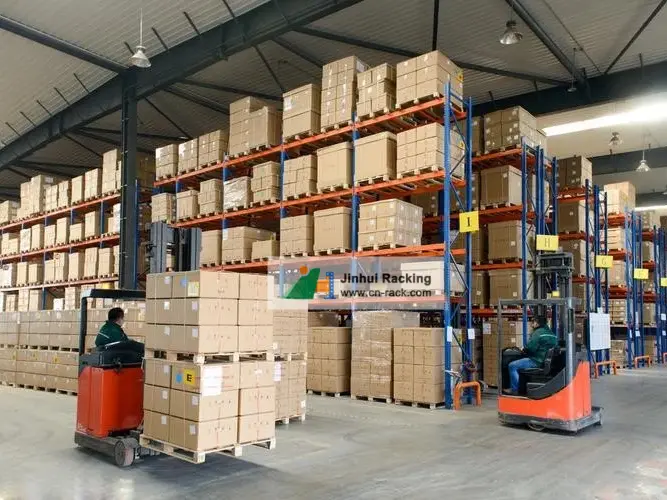
Next, order picking accuracy. Let's be real, no one remembers where every single pallet is, especially if you have a high-turnover inventory. With static racks, pickers have to check multiple levels, sometimes drive forklifts a lot farther, or rely on messy paper logs that get lost or miswritten. Pallet flow racking organizes stock so every SKU has its own dedicated lane, labeled clearly, so there's no guessing. Pickers can grab exactly what they need in one trip, no detours, no mistakes. One of my clients that handles e-commerce bulk orders told me their order fulfillment error rate dropped by 40% once they switched, because everyone on the pick team knew exactly where to go for every item. That's not just faster work-it's happier customers, too.
Space utilization is another big one, and I don't just mean "we have more room" - I mean it's smarter space use that directly ties to inventory control. Static pallet racks have a lot of wasted space because you can only access the front of each shelf, so you end up with gaps between pallets you need to fill, or lanes that go unused. Pallet flow racks use every inch of vertical and horizontal space because each lane holds multiple pallets, no empty gaps needed. You can store 20-30% more pallets in the same footprint, which means you don't have to rent extra warehouse space to handle growing inventory. More importantly, because stock is tightly organized, you can count inventory faster-no more walking around empty areas or hunting for lost pallets.
Wait, let's talk about SKU organization for a second, because that's where a lot of inventory headaches start. When you use a messy storage system, new stock gets placed wherever there's an opening, so similar SKUs end up all over the warehouse. Pallet flow racking lets you group SKUs by category, turnover rate, or even size, right next to each other. So if you're managing inventory, you can run a weekly check and instantly see how much of each item you have, how fast it's moving, and when you need to reorder. No more going through three different sections to count a single product line. I've found that when clients use flow racking, their cycle count time drops by about 25% because the system is already organized logically.
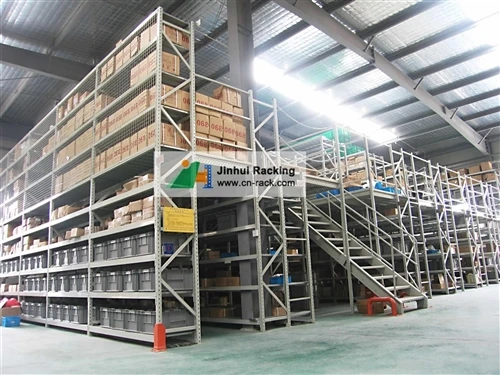
Of course, pallet flow racking isn't the only storage solution out there, and I always tell clients to look at their specific needs before making a switch. For example, if you have very small loads or don't use pallets, maybe our heavy duty storage drawer racking industrial mold rack system is a better fit for your part storage needs. Wait, no-for large pallets that turn over fast, flow is king. But for other scenarios, we have other options, like warehouse steel storage draw-out racking if you need to access smaller, heavy loads, or new design motorized mobile racks system if you want to maximize space in a smaller area. Even our teardrop pallet rack is a solid choice for more flexible, adjustable storage if you don't need the gravity flow of a flow rack.
Another thing I always highlight is load capacity, because no one wants a storage system that can't hold their pallets. All of our pallet racking solutions, including the pallet flow systems we offer, are built with heavy-duty steel to handle even the bulkiest loads. I've seen flimsy racks break under pressure, leading to lost inventory and safety issues, so durability is non-negotiable for me. We also have the Jinhui heavy duty shelves industrial steel rack for medium weight inventory, which works great for smaller warehouses that don't need full flow racking but still want organized storage.
Now, let's get real about some common myths I hear about pallet flow racking. First, people say it's too expensive to install. Yeah, upfront it's a bigger investment than basic static racks, but when you factor in the waste you cut, the time you save, and the inventory errors you eliminate, it pays for itself in 1-2 years, usually less. Second, people think it's only for big warehouses. No, we have flow racking systems that work for small to mid-sized warehouses too-you don't need a 100,000 sq ft space to benefit from the FIFO rotation and organized storage. Third, it's hard to maintain. It's actually pretty simple-just check the rollers every few months, make sure nothing is jammed, and it works like it's supposed to for years. I have clients who've had their flow racks for 7 years with zero major issues.
The biggest long-term benefit, though, is how it scales with your business. As your inventory grows, you can add more flow lanes or expand the system without redoing the whole warehouse. That flexibility means you don't have to rearrange your entire storage setup every time you get new stock or add a new SKU. When inventory is easy to track and access, you can focus on growing your business instead of fighting your storage system.
I've spent years talking to warehouse managers, and the number one thing they tell me they want from storage is less chaos, more control, and fewer headaches. Pallet flow racking delivers all three, because it turns a messy, disorganized space into a system that works for your inventory, not against it. If you're tired of losing stock, wasting time on unnecessary moves, or struggling to keep track of what's where, it's worth taking a closer look at how pallet flow racking could work for your team.
If you're ready to stop letting bad storage mess up your inventory, or if you just want to chat about what system makes sense for your specific needs, reach out to our team to talk through your options. We've worked with everything from small local warehouses to large national distributors, and we can help you figure out if flow racking is right for you, or if another solution like our heavy duty storage drawer racking industrial mold rack system or warehouse steel storage draw-out racking would fit better. No pressure, no sales pitch-just honest advice for your business.
References:
- Warehouse Education and Research Council (WERC). "Pallet Racking Best Practices for Inventory Management." 2022.
- Material Handling Industry (MHI). "Gravity Flow Storage Systems: Efficiency and Optimization for Warehouses." 2023.
- National Federation of Independent Business (NFIB). "Small Warehouse Storage Solutions to Reduce Inventory Waste." 2021.
- OSHA. "Warehouse Storage and Handling Safety Guidelines for Pallet Racking." 2022.
- Jones, E. and Thomas, S. "The Impact of Storage Layout on Inventory Accuracy and Order Fulfillment Speed." Journal of Supply Chain Management, vol. 58, no. 3, 2022, pp. 45-62.